
I love Puppeteer - it lets me play around with the ideas of The Headless Web - that is running the web in a browser without a visible browser and even build tools like DOM-curl (Curl that runs JavaScript). Specifically I love scripting the browser to scrape, manipulate and interact with pages.
One demo I wanted to make was inspired by Ire's Capturing 422 live images post where she ran a puppeteer script that would navigate to many pages and take a screenshot. Instead of going to many pages, I wanted to take many screenshots of elements on the page.
The problem that I have with Puppeteer is the opening stanza that you need to do anything. Launch, Open tab, navigate - it's not complex, it's just more boilerplate than I want to create for simple scripts. That's why I created Puppeteer Go. It's just a small script that helps me build CLI utilities easily that opens the browser, navigates to a page, performs your action and then cleans up after itself.
Check it out.
const { go } = require('puppeteer-go');

go('https://paul.kinlan.me', async (page) => {
    const elements = await page.$$("h1");
    let count = 0;
    for(let element of elements) {
      try {
        await element.screenshot({ path: `${count++}.png`});
      } catch (err) {
        console.log(count, err);
      }
    }
});
The above code will find the h1 element in my blog and take a screenshot. This is nowhere near as good as Ire's work, but I thought it was neat to see if we can quickly pull screenshots from canisuse.com directly from the page.
const { go } = require('puppeteer-go');

go('https://caniuse.com/#search=css', async (page) => {
    const elements = await page.$$("article.feature-block.feature-block--feature");
    let count = 0;
    for(let element of elements) {
      try {
        await element.screenshot({ path: `${count++}.png`});
      } catch (err) {
        console.log(count, err);
      }
    }
});
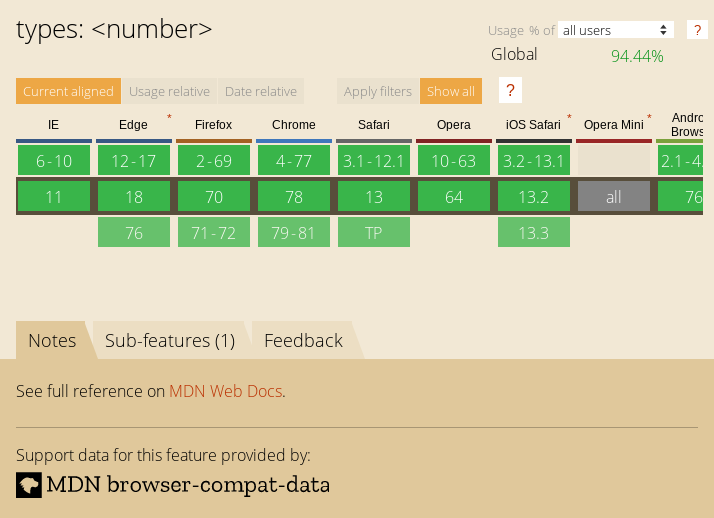
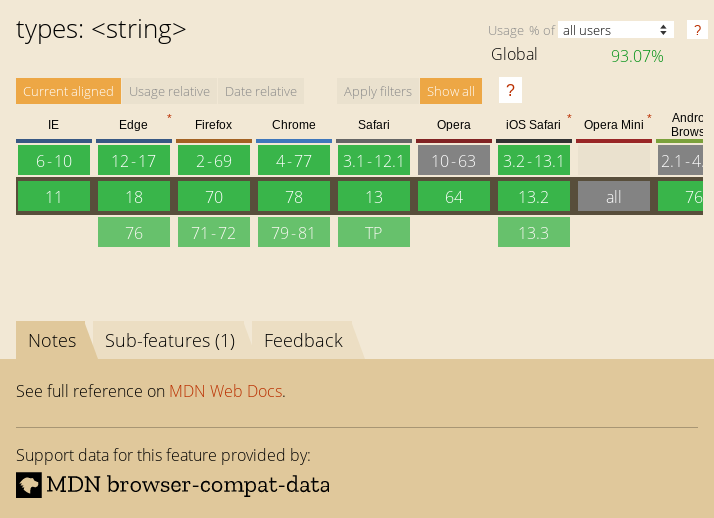
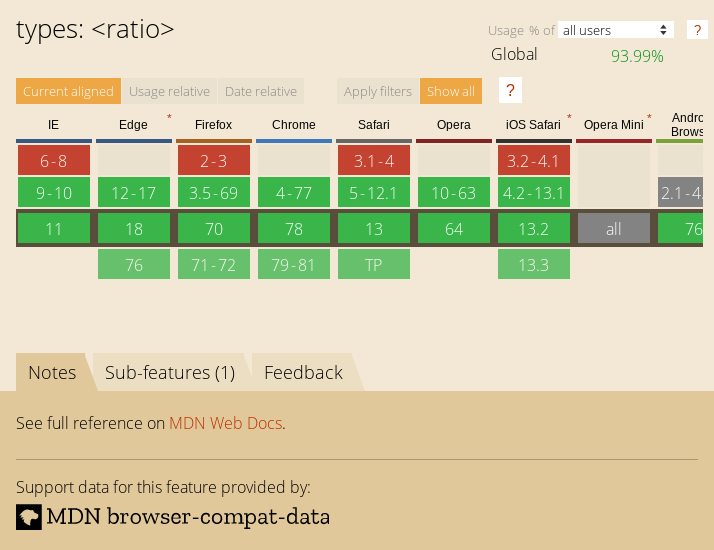
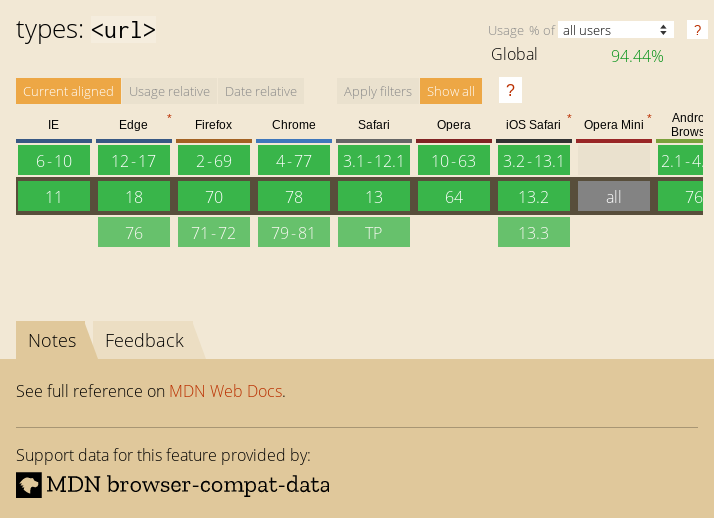
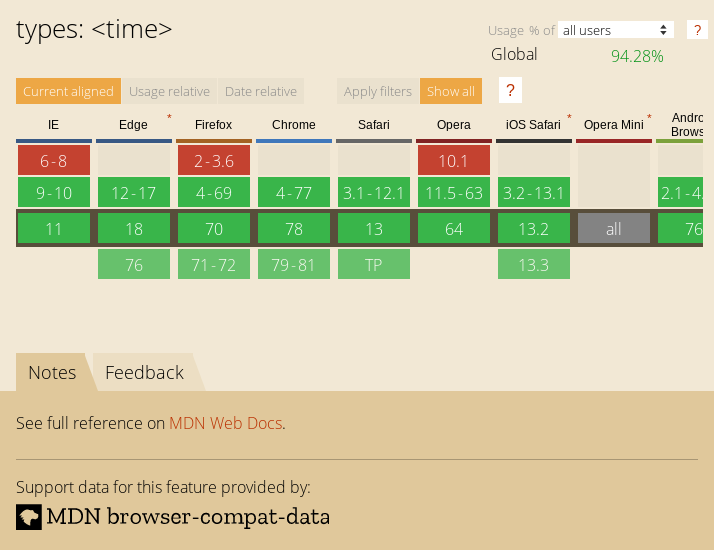
Enjoy!